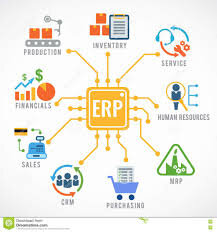
Welcome, small and medium-sized business owners! Are you looking for the best ERP software solutions to streamline your operations and boost efficiency? Look no further! In this article, we will explore some of the top ERP software solutions tailored specifically for small and medium-sized businesses, helping you make an informed decision for your organization. From inventory management to financials and human resources, these software options have got you covered. Let’s dive in and find the perfect fit for your business needs!
Understanding ERP Software for Small and Medium-sized Businesses
When it comes to running a small or medium-sized business, efficiency is key. Every decision made and every system implemented must contribute towards streamlining operations and maximizing productivity. This is where ERP software comes into play. ERP, which stands for Enterprise Resource Planning, is a powerful tool that integrates various business functions into a single system, providing a comprehensive view of the business processes. This helps SMBs in making informed decisions, managing resources effectively, and improving overall business performance.
ERP software for SMBs is specifically designed to meet the unique needs and budgets of smaller businesses. Unlike larger enterprises, SMBs may not have the resources to invest in expensive, complex ERP solutions. As a result, ERP software for SMBs focuses on providing essential features and functionalities that are essential for running a business efficiently, without unnecessary complexities.
One of the key benefits of ERP software for SMBs is its ability to centralize data and processes. Instead of using multiple software applications that do not communicate with each other, SMBs can use ERP software to bring all their business functions under one roof. This not only simplifies the workflow but also eliminates the need for manual data entry, reducing errors and improving data accuracy.
Another important feature of ERP software for SMBs is scalability. As businesses grow and evolve, their needs and requirements also change. ERP software for SMBs is designed to grow with the business, allowing SMBs to add new features and functionalities as needed. This ensures that the software remains relevant and effective in supporting the business’s operations, no matter how much it expands.
Additionally, ERP software for SMBs is often more user-friendly and easier to implement than traditional ERP solutions. SMBs may not have dedicated IT departments or extensive technical expertise, so it is essential that the software is easy to use and does not require a large investment in training. ERP software for SMBs is designed with this in mind, offering intuitive interfaces and simplified processes that allow users to quickly adapt to the system and start reaping its benefits.
In conclusion, ERP software for SMBs is a valuable tool that can help small and medium-sized businesses streamline their operations, improve efficiency, and make better-informed decisions. By centralizing data and processes, offering scalability, and providing user-friendly interfaces, ERP software for SMBs empowers businesses to stay competitive in today’s fast-paced business environment.
Benefits of Implementing ERP for SMBs
Implementing an ERP system for small and medium-sized businesses (SMBs) can bring a plethora of benefits that can help streamline processes, improve operations, and drive growth. Here are some of the key advantages of adopting ERP software for SMBs:
1. Enhanced Efficiency: One of the primary benefits of implementing ERP software for SMBs is the enhanced efficiency it brings to the organization. By automating repetitive tasks, streamlining processes, and providing real-time access to data, ERP systems can help SMBs to save time and resources, allowing employees to focus on more strategic tasks that drive business objectives.
2. Improved Decision Making: ERP systems provide SMBs with access to real-time data and analytics that can help in making informed decisions. By having all critical information in one centralized system, decision-makers can easily track performance metrics, identify trends, and gain insights that can guide strategic planning. This not only improves decision-making processes but also enables SMBs to adapt quickly to changing market conditions.
3. Increased Productivity: With ERP software, SMBs can streamline workflows, eliminate manual processes, and automate routine tasks. This, in turn, increases productivity levels across the organization, as employees can work more efficiently, collaborate effectively, and access the information they need to perform their tasks. This boost in productivity can result in improved overall business performance and profitability.
4. Cost Savings: While investing in ERP software may seem like a significant upfront cost for SMBs, the long-term benefits can outweigh the initial investment. By streamlining processes, reducing operational costs, and minimizing errors and inefficiencies, ERP systems can help SMBs save money in the long run. Additionally, having access to real-time data can help SMBs identify cost-saving opportunities and make more informed financial decisions.
5. Scalability: As SMBs grow and expand, their business operations become more complex, requiring scalable solutions that can adapt to changing needs. ERP systems are designed to be flexible and scalable, allowing SMBs to easily add new features, users, or modules as their business grows. This scalability ensures that SMBs can continue to leverage the benefits of their ERP system without outgrowing it.
6. Improved Customer Satisfaction: By having access to real-time data and insights, SMBs can better understand customer needs, preferences, and behaviors. This enables SMBs to deliver more personalized experiences, improve service quality, and enhance customer satisfaction. With ERP software, SMBs can streamline customer-facing processes, respond to inquiries faster, and provide better service, ultimately leading to increased customer loyalty and retention.
Overall, implementing ERP software for SMBs can transform business operations, drive growth, and increase competitiveness in today’s fast-paced market. By leveraging the benefits of ERP systems, SMBs can gain a strategic advantage, improve efficiency, and achieve sustainable growth and success.
Key Features to Look for in ERP Software for SMBs
When it comes to selecting ERP software for your small or medium-sized business (SMB), it’s important to consider a few key features that are essential for the success of your operations. Here are some important features to look for:
1. Scalability: One of the most important features to look for in ERP software for SMBs is scalability. Your business is likely to grow over time, so it’s important to choose a solution that can easily scale with your operations. Look for software that can accommodate additional users, new features, and increased data storage as your business expands.
2. Customization: Another important feature to consider is customization. Every business is unique, and your ERP software should be able to be tailored to meet your specific needs and requirements. Look for software that allows you to customize workflows, reports, and dashboards to suit the way your business operates.
3. Integration Capabilities:
Integration capabilities are crucial when selecting ERP software for your SMB. Your business likely uses a variety of other software applications to manage different aspects of your operations, such as customer relationship management (CRM), accounting, inventory management, and e-commerce platforms. Therefore, it’s important to choose ERP software that can easily integrate with these existing systems.
Integration capabilities ensure that data can flow seamlessly between your ERP software and other applications, providing you with a comprehensive view of your business processes and performance. This not only improves efficiency but also enables you to make more informed decisions based on real-time data.
Look for ERP software that offers pre-built integrations with popular third-party applications or the flexibility to create custom integrations through APIs. Additionally, consider the ease of integration and whether the software provider offers support or resources to help you seamlessly connect your systems.
Ultimately, selecting ERP software with strong integration capabilities can help streamline your business processes, improve collaboration between departments, and provide a unified view of your business data.
Common Challenges SMBs Face When Implementing ERP
Implementing an ERP system can bring numerous benefits to SMBs, such as streamlining processes, improving decision-making, and enhancing overall efficiency. However, the journey to ERP implementation is not without its challenges. SMBs often face several obstacles that can hinder the successful adoption of ERP software. Here are some common challenges SMBs encounter when implementing ERP:
1. Cost Constraints: One of the major challenges SMBs face when implementing ERP is the cost associated with the software. ERP systems can be quite expensive, and SMBs may struggle to justify the upfront investment required. Additionally, there are ongoing costs for maintenance, training, and upgrades that can further strain the budget. Finding a cost-effective solution that fits within the SMB’s financial capabilities can be a challenge.
2. Limited Resources: SMBs typically have smaller teams and limited resources compared to larger enterprises. This can make it challenging to dedicate the necessary time and manpower to implement an ERP system effectively. SMBs may lack the expertise or IT staff required to manage the implementation process, leading to delays and potential issues down the line.
3. Resistance to Change: Implementing an ERP system involves significant changes to existing processes and workflows within the organization. Employees may resist these changes, especially if they are comfortable with the current way of doing things. Getting buy-in from staff and overcoming resistance to change can be a significant hurdle for SMBs during the ERP implementation process.
4. Lack of Understanding and Training: Another common challenge SMBs face when implementing ERP is the lack of understanding and training among employees. Many SMBs do not invest enough in training their staff on how to use the new ERP system effectively. This lack of knowledge can lead to underutilization of the software, errors in data entry, and inefficiencies in processes. Without proper training and support, employees may struggle to adapt to the new system, ultimately impacting the success of the ERP implementation.
It is crucial for SMBs to address these challenges proactively and plan carefully for ERP implementation. By conducting thorough research, assessing the organization’s needs, and ensuring proper training and support for employees, SMBs can overcome these obstacles and successfully implement an ERP system that drives growth and efficiency within the organization.
Finding the Right ERP Solution for Your SMB Business
When it comes to choosing the right ERP solution for your small or medium-sized business (SMB), there are several factors to consider. Before making a decision, it’s important to assess your company’s needs, budget, and goals. Here are five key steps to help you find the best ERP software for your SMB:
1. Identify Your Business Needs: The first step in finding the right ERP solution for your SMB is to clearly define your business needs. Consider what functionalities are essential for your operations, such as financial management, inventory tracking, or customer relationship management. Make a list of must-have features and prioritize them based on importance.
2. Set a Budget: Before diving into the world of ERP software, it’s essential to establish a budget for your investment. Consider not only the initial costs of implementation but also ongoing maintenance and support fees. Remember that while a higher price tag may come with more features, it’s important to find a solution that fits within your financial constraints.
3. Research Available Options: Once you have outlined your business needs and set a budget, it’s time to research available ERP solutions. Look for vendors that specialize in catering to SMBs and offer customizable packages that align with your requirements. Consider factors such as industry-specific functionality, scalability, and user-friendliness when evaluating different options.
4. Seek Recommendations and Reviews: To gain insight into the efficiency and reliability of a potential ERP solution, seek recommendations and read reviews from other SMB owners. Reach out to industry peers, attend networking events, or explore online forums to gather firsthand experiences. Pay close attention to feedback regarding customer support, system performance, and overall satisfaction.
5. Request Demos and Trials: Before making a final decision, it’s crucial to request demos and trials of the ERP solutions you are considering. This hands-on experience will allow you to test the software’s functionality, ease of use, and compatibility with your existing systems. Take note of how intuitive the interface is, how efficiently data is processed, and whether the solution meets your business needs.
6. Evaluate Implementation and Support: Implementation is a critical stage in adopting an ERP solution for your SMB. Consider available implementation support, training resources, and ongoing technical assistance provided by the vendor. Ensure that the software can be seamlessly integrated into your current infrastructure and that your team receives sufficient training to maximize its potential.
Choosing the right ERP solution for your SMB is a significant decision that can impact your business operations and growth. By following these steps and taking the time to evaluate your options, you can find a solution that streamlines your processes, enhances productivity, and drives business success.