Quickbooks ERP Solutions: Streamlining Your Business Operations
Hey there! Are you looking for a way to simplify and enhance the operations of your business? Quickbooks ERP solutions might just be the answer you’ve been searching for. With its user-friendly interface and customizable features, Quickbooks ERP can streamline your business processes, boost efficiency, and save you time and money. Say goodbye to manual data entry and tedious paperwork, and say hello to a more organized and productive work environment. Let’s dive into how Quickbooks ERP solutions can revolutionize the way you run your business!
Overview of Quickbooks ERP Solutions
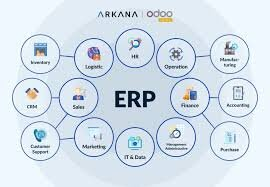
Quickbooks is a popular accounting software that is widely used by small and medium-sized businesses to manage their finances. However, many people may not be aware that Quickbooks also offers ERP (Enterprise Resource Planning) solutions that can help businesses streamline their processes and improve efficiency. Quickbooks ERP solutions integrate all aspects of a business, including accounting, inventory management, sales, and more, into one comprehensive system.
One of the key features of Quickbooks ERP solutions is the ability to track and manage all financial transactions in one place. This includes invoicing, payments, expenses, and more, making it easier for businesses to keep track of their finances and make informed decisions. With Quickbooks ERP solutions, businesses can also automate many financial processes, such as recurring invoices and payment reminders, saving time and reducing the risk of errors.
In addition to financial management, Quickbooks ERP solutions also offer advanced inventory management features. Businesses can track their inventory levels in real-time, set reorder points, and generate reports to help optimize their inventory levels. This can help businesses reduce carrying costs, prevent stockouts, and improve overall efficiency.
Another key benefit of Quickbooks ERP solutions is the ability to streamline sales and customer management processes. Businesses can track leads, manage customer relationships, and generate sales reports to help improve sales performance. With Quickbooks ERP solutions, businesses can also automate many sales processes, such as creating quotes and orders, sending invoices, and tracking payments.
Overall, Quickbooks ERP solutions offer a comprehensive and integrated approach to managing all aspects of a business. By centralizing all financial, inventory, sales, and customer management processes in one system, businesses can improve efficiency, reduce errors, and make better-informed decisions. Whether you are a small business looking to streamline your operations or a medium-sized business looking to scale up, Quickbooks ERP solutions can help you achieve your goals.
Key Features and Benefits of Quickbooks ERP
Quickbooks ERP offers a wide range of features that can benefit businesses of all sizes. One key feature is the ability to automate financial tasks, such as invoicing, payroll, and expense tracking. This not only saves time and reduces errors, but it also allows businesses to focus on more important aspects of their operations. Additionally, Quickbooks ERP integrates with other business applications, such as CRM systems and e-commerce platforms, making it easier to manage all aspects of a business in one place.
Another key feature of Quickbooks ERP is its scalability. Whether a business is just starting out or has been around for years, Quickbooks ERP can grow with the business. This means that businesses don’t have to worry about outgrowing their ERP system and having to switch to a new one. Quickbooks ERP also offers customizable reporting and analytics tools, allowing businesses to track key performance indicators and make data-driven decisions.
One of the biggest benefits of Quickbooks ERP is its cost-effectiveness. Compared to traditional ERP systems, Quickbooks ERP is much more affordable, making it accessible to small and medium-sized businesses. In addition, Quickbooks ERP is user-friendly, with a simple interface that is easy to navigate. This means that businesses don’t have to invest a lot of time and resources into training their employees on how to use the system.
Quickbooks ERP also offers cloud-based solutions, allowing businesses to access their data from anywhere with an internet connection. This is especially beneficial for businesses with remote employees or multiple locations. With Quickbooks ERP, businesses can streamline their operations and improve collaboration among team members.
In conclusion, Quickbooks ERP offers a wide range of key features and benefits that can help businesses improve their financial management, streamline their operations, and make data-driven decisions. From automating financial tasks to offering customizable reporting tools, Quickbooks ERP is a cost-effective and user-friendly solution for businesses of all sizes. With its scalability and cloud-based solutions, Quickbooks ERP is a reliable choice for businesses looking to grow and succeed in today’s competitive business environment.
Implementation Process for Quickbooks ERP Solutions
When it comes to implementing Quickbooks ERP Solutions, there are several key steps that need to be followed in order to ensure a smooth and successful transition. The first step in the implementation process is to conduct a thorough analysis of your current business processes and systems. This will help to identify any areas that need improvement and where Quickbooks ERP Solutions can provide added value.
The next step is to develop a detailed implementation plan that outlines the specific tasks, timelines, and responsibilities for all stakeholders involved in the project. This plan should include a comprehensive training program for all employees who will be using the new system.
Once the implementation plan is in place, the next step is to configure the Quickbooks ERP Solutions software to meet the specific needs of your business. This may involve customizing the system to accommodate your unique processes and workflows, as well as integrating it with any existing software or systems that you currently use.
After the software has been configured, the next step is to conduct thorough testing to ensure that everything is working as expected. This may involve running various scenarios to simulate real-world situations and identifying any issues or bugs that need to be addressed.
Once the testing phase is complete and any issues have been resolved, the final step is to roll out the Quickbooks ERP Solutions system to all users. This may involve providing additional training and support to ensure that employees are comfortable using the new system and that any questions or concerns are addressed.
Throughout the implementation process, it is important to communicate regularly with all stakeholders and keep them informed of progress and any potential challenges that may arise. By following these key steps and ensuring that all parties are on board and involved throughout the process, you can help to ensure a successful implementation of Quickbooks ERP Solutions for your business.
Challenges and Limitations of Quickbooks ERP
While Quickbooks ERP solutions offer many benefits to businesses, there are also challenges and limitations that users may encounter. Understanding these challenges can help businesses make informed decisions when considering implementing Quickbooks ERP.
One of the main challenges of Quickbooks ERP is its scalability. While Quickbooks is a popular choice for small and medium-sized businesses, it may not be the best option for larger organizations with complex operations. As a business grows, its needs may outgrow the capabilities of Quickbooks ERP, leading to limitations in functionality and performance.
Another challenge of Quickbooks ERP is its integration capabilities. Quickbooks may not easily integrate with other software applications that a business uses, leading to siloed data and inefficient workflows. This can result in manual data entry and reconciliation, increasing the risk of errors and hindering productivity.
Moreover, customization options in Quickbooks ERP are limited compared to other ERP systems. While Quickbooks offers some customization features, businesses may find it difficult to tailor the software to their specific needs and industry requirements. This can result in businesses having to adapt their processes to fit the limitations of Quickbooks ERP, impacting efficiency and effectiveness.
One significant limitation of Quickbooks ERP is its lack of advanced reporting and analytics capabilities. While Quickbooks provides basic financial reporting features, it may not offer the depth and complexity needed for businesses to gain valuable insights into their operations. This can hinder decision-making and strategic planning, limiting a business’s ability to optimize performance and drive growth.
In conclusion, while Quickbooks ERP solutions offer many advantages to businesses, there are also challenges and limitations that users should consider. Understanding these challenges, such as scalability, integration capabilities, customization options, and reporting capabilities, can help businesses make informed decisions about whether Quickbooks ERP is the right fit for their needs. By carefully evaluating these factors and considering alternative ERP solutions, businesses can optimize their operations and drive success in the long run.
Comparison of Quickbooks ERP with Other ERP Systems
QuickBooks ERP is a widely popular accounting software used by businesses of all sizes to manage their financials, inventory, sales, and more. However, when comparing QuickBooks ERP to other ERP systems, there are some key differences to consider.
1. Scalability: One of the main differences between QuickBooks ERP and other ERP systems is scalability. While QuickBooks ERP is well-suited for small to medium-sized businesses, it may not be as scalable as some other ERP solutions that are designed for larger enterprises with more complex needs. Larger companies may find that QuickBooks ERP does not have all the features they require to manage their operations efficiently.
2. Customization: Another factor to consider when comparing QuickBooks ERP with other ERP systems is customization. QuickBooks ERP offers a certain level of customization, allowing businesses to tailor the software to their specific needs. However, some other ERP systems may offer more extensive customization options, allowing businesses to create a system that is perfectly tailored to their unique requirements.
3. Integration: Integration with other software and systems is crucial for ensuring a smooth flow of information across all areas of a business. QuickBooks ERP does offer some integration options with popular software applications, but other ERP systems may have more robust integration capabilities, allowing businesses to connect their ERP software with a wider range of tools and platforms.
4. Support and Training: When comparing QuickBooks ERP with other ERP systems, it’s important to consider the level of support and training available. QuickBooks ERP does offer support options for users, but some other ERP systems may have more comprehensive support programs in place. Additionally, some ERP systems may offer more extensive training resources to help businesses get up and running quickly and efficiently.
5. Cost: One of the key factors to consider when comparing QuickBooks ERP with other ERP systems is cost. QuickBooks ERP is known for being a cost-effective solution for small to medium-sized businesses, with pricing plans that are often more affordable than other ERP systems on the market. However, larger enterprises may find that the cost of QuickBooks ERP can add up over time, especially if they require additional features or modules.
In conclusion, when comparing QuickBooks ERP with other ERP systems, it’s important to consider factors such as scalability, customization, integration, support and training, and cost. While QuickBooks ERP may be a great fit for some businesses, others may find that they require a more robust ERP solution that offers additional features and capabilities. Ultimately, the best ERP system for a business will depend on their specific needs and requirements.