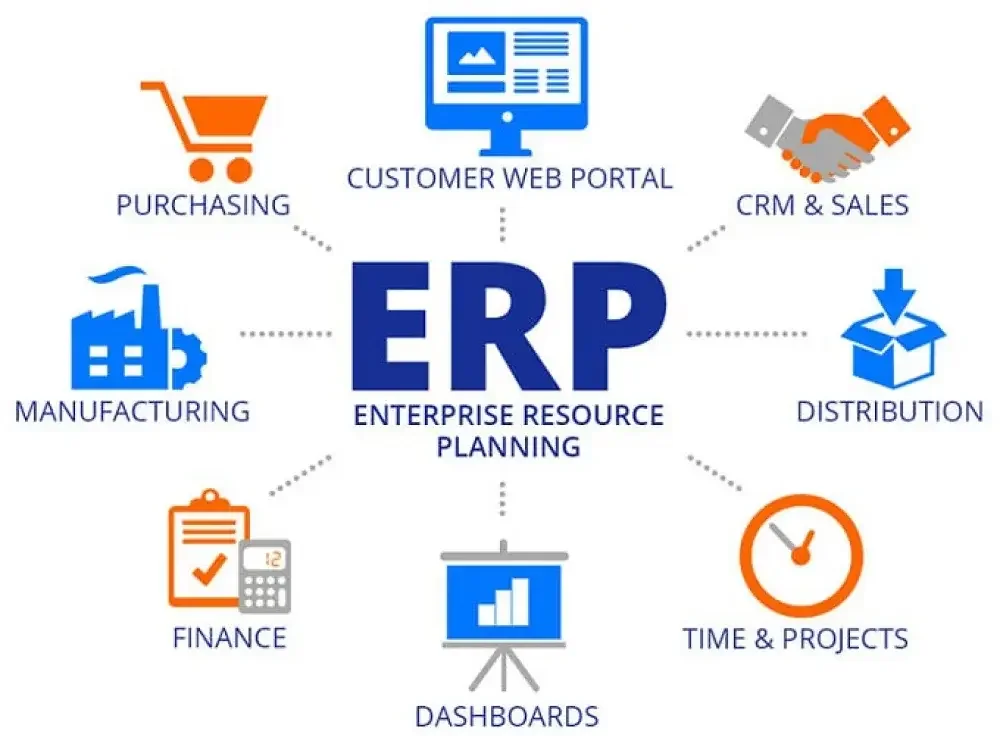
The Benefits of SMB ERP Software
Hey there, small and medium-sized business owners! Are you looking for a way to streamline your operations, enhance productivity, and boost overall efficiency? Look no further than SMB ERP software. This innovative solution offers a range of benefits that can help take your business to the next level. From improved decision-making to seamless integration of all your business processes, SMB ERP software has a lot to offer. Let’s dive into the world of SMB ERP software and discover how it can benefit your business.
Understanding the Benefits of SMB ERP Software
Small and medium-sized businesses (SMBs) are the backbone of any economy, but often face challenges in managing their operations efficiently. This is where SMB ERP software comes in to streamline and automate various aspects of the business. With the right ERP system in place, SMBs can experience a wide range of benefits that can help them compete more effectively in the market.
One of the key benefits of using SMB ERP software is improved efficiency. By consolidating all essential business processes into a single system, SMBs can eliminate data silos and redundant tasks. This means that employees no longer have to waste time manually inputting data or navigating between different software applications. With everything centralized in one place, workflows become smoother and more streamlined, leading to increased productivity and reduced human error.
Another significant advantage of SMB ERP software is enhanced visibility and reporting. With real-time access to critical business data, SMBs can make informed decisions quickly. Whether it’s tracking sales performance, monitoring inventory levels, or analyzing financials, ERP systems provide accurate and up-to-date information that can help SMBs identify trends, spot opportunities, and address potential issues before they escalate.
In addition to efficiency and visibility, SMB ERP software also promotes better collaboration among team members. With features like document sharing, task management, and communication tools, employees can work together more effectively regardless of their location. This level of collaboration not only improves teamwork and morale but also ensures that everyone is on the same page, leading to a more cohesive and productive work environment.
Furthermore, SMB ERP software can help businesses enhance customer satisfaction and loyalty. By integrating customer relationship management (CRM) functionality, SMBs can track customer interactions, personalize marketing campaigns, and provide better support. This personalized approach to customer service can not only attract new customers but also retain existing ones, ultimately driving revenue growth and long-term success for the business.
Lastly, SMB ERP software can also lead to cost savings in the long run. By automating repetitive tasks, reducing manual errors, and optimizing business processes, SMBs can operate more efficiently and effectively. This, in turn, can result in lower operational costs, improved resource utilization, and increased profitability. Additionally, many ERP vendors offer flexible pricing options and scalability, making it easier for SMBs to adapt to their changing needs without incurring significant expenses.
In conclusion, SMB ERP software offers a plethora of benefits that can help small and medium-sized businesses thrive in today’s competitive landscape. From improved efficiency and visibility to enhanced collaboration and cost savings, investing in the right ERP system can be a game-changer for SMBs looking to grow and succeed. By harnessing the power of technology and automation, SMBs can unlock their full potential and achieve sustainable growth in the long term.
Key Features to Look for in SMB ERP Solutions
When it comes to selecting an ERP solution for your small or medium-sized business, it’s crucial to consider the key features that will best suit your company’s needs. Here are some important features to look for when evaluating different SMB ERP software options:
1. Customizability: One of the most important features to look for in an SMB ERP system is its ability to be customized to fit your specific business requirements. Every organization is unique, and your ERP solution should be able to adapt to the specific workflows and processes that are essential to your business operations. Look for a system that offers a high degree of customizability, allowing you to tailor the software to meet your company’s unique needs.
2. Scalability: Another crucial feature to consider when selecting an SMB ERP solution is scalability. As your business grows and evolves, your ERP system should be able to grow with you. Look for a software solution that can easily accommodate additional users, increased data volume, and expanded functionality as your business expands. Scalability is key to ensuring that your ERP system can support your organization’s growth and development over time.
3. Integration Capabilities: A good SMB ERP system should have robust integration capabilities, allowing you to connect your ERP software with other essential business applications and systems. Integration with tools such as CRM software, e-commerce platforms, and accounting systems can improve efficiency, streamline processes, and provide a more comprehensive view of your business operations. Look for an ERP solution that offers seamless integration with a wide range of third-party applications to maximize the value of your software investment.
4. Mobile Accessibility: In today’s fast-paced business environment, the ability to access critical business information on the go is essential. Look for an SMB ERP solution that offers mobile accessibility, allowing you to access important data and functionality from anywhere, at any time. Mobile access can improve productivity, enable better decision-making, and facilitate collaboration among remote teams. Ensure that the ERP software you choose has a user-friendly mobile interface and supports a range of devices to enhance flexibility and convenience for your employees.
5. Reporting and Analytics: Comprehensive reporting and analytics capabilities are essential for SMBs looking to gain valuable insights into their business performance and make data-driven decisions. Look for an ERP solution that offers robust reporting tools, customizable dashboards, and advanced analytics features to help you track key performance indicators, identify trends, and optimize business processes. The ability to easily generate reports, visualize data, and extract actionable insights from your ERP system can help you drive continuous improvement and achieve your business goals.
Implementing SMB ERP Software Successfully
Implementing SMB ERP software successfully can be a daunting task for small and medium-sized businesses. However, with proper planning and execution, it can also be incredibly rewarding. Here are a few key steps to ensure a successful implementation:
1. Define your goals and objectives: Before diving into the implementation process, it is crucial to clearly define your goals and objectives. Are you looking to streamline your processes, improve efficiency, or gain better insights into your business operations? Understanding what you hope to achieve with the ERP software will help guide the implementation process and ensure that it meets your needs.
2. Choose the right ERP software: With so many options available in the market, it is essential to choose an ERP solution that is tailored to the needs of your business. Consider factors such as industry-specific features, scalability, ease of use, and cost when making your decision. It is also important to ensure that the software provider offers adequate training and support to assist with the implementation process.
3. Develop a comprehensive implementation plan: One of the most critical factors in implementing SMB ERP software successfully is developing a detailed implementation plan. This plan should outline the timeline, budget, responsibilities, and milestones for each phase of the implementation process. It is essential to involve key stakeholders from different departments in the planning process to ensure that all aspects of the implementation are considered and accounted for.
Additionally, the implementation plan should include a strategy for data migration, testing, training, and ongoing support. It is crucial to allocate sufficient time and resources for each of these components to ensure a smooth transition to the new ERP system.
4. Provide adequate training and support: Training is another crucial aspect of implementing SMB ERP software successfully. Ensure that your employees receive comprehensive training on how to use the new system effectively. This can help minimize resistance to change and ensure that everyone is on board with the new software.
It is also important to provide ongoing support to address any issues or questions that may arise during the implementation process. Having a dedicated support team or point of contact can help resolve any issues quickly and ensure a successful implementation.
5. Monitor and evaluate the implementation: Once the ERP software is up and running, it is essential to monitor its performance and evaluate its impact on your business operations. Keep track of key performance indicators and gather feedback from users to identify any areas that may need improvement.
By following these steps and dedicating time and resources to the implementation process, small and medium-sized businesses can successfully implement ERP software and reap the benefits of improved efficiency, streamlined processes, and better decision-making capabilities.
The Importance of Integration with SMB ERP Systems
Integration with SMB ERP systems is crucial for businesses looking to streamline their operations and improve efficiency. By integrating various systems and processes into one centralized ERP platform, businesses can eliminate duplicate data entry, reduce errors, and improve decision-making based on real-time data.
One of the key benefits of integrating with SMB ERP systems is improved communication and collaboration among different departments within the organization. With all data housed in a single system, departments can easily access information and work together more efficiently towards common goals. This leads to better coordination, increased productivity, and ultimately, better business outcomes.
Another advantage of integration with SMB ERP systems is improved visibility and transparency across the organization. With all data stored in one central location, management can access real-time insights into the company’s performance, financials, and operations. This allows for better decision-making, as managers can quickly identify trends, track key performance indicators, and make adjustments as needed to drive the business forward.
Integration with SMB ERP systems also helps businesses stay competitive in today’s fast-paced, technology-driven market. By automating processes, reducing manual data entry, and improving data accuracy, businesses can operate more efficiently and effectively than their competitors. This can lead to cost savings, increased customer satisfaction, and ultimately, a stronger market position.
Furthermore, integration with SMB ERP systems can lead to improved customer service and satisfaction. By having a centralized platform for customer data, sales orders, and inventory management, businesses can provide faster responses to customer inquiries, track orders more accurately, and deliver products and services in a timely manner. This can result in happier customers, repeat business, and positive word-of-mouth referrals.
In conclusion, integration with SMB ERP systems is essential for businesses looking to streamline operations, improve efficiency, and stay competitive in today’s market. By centralizing data, automating processes, and providing real-time insights, businesses can make better decisions, collaborate more effectively, and ultimately, achieve greater success. So, if you’re considering implementing an ERP system for your SMB, be sure to prioritize integration with other systems to maximize the benefits and drive your business forward.
How SMBs can Choose the Right ERP Software Provider
Choosing the right ERP software provider for your small or medium-sized business (SMB) is a crucial decision that can have a significant impact on your operations and bottom line. With so many options available in the market, it can be overwhelming to make the right choice. Here are some key factors to consider when selecting an ERP software provider:
1. Industry Expertise: Look for an ERP software provider that has experience working with SMBs in your industry. Industry-specific knowledge can be invaluable when it comes to customizing the software to meet your unique needs and requirements.
2. Scalability: It’s important to choose an ERP software provider that can scale with your business as it grows. Make sure the software is flexible enough to adapt to your changing business needs and can accommodate future growth without requiring a complete overhaul.
3. Integration: Your ERP software should seamlessly integrate with your existing systems and software applications. This integration is critical for streamlining your business processes and ensuring data consistency across all departments.
4. Cloud-Based vs. On-Premises: Consider whether you want a cloud-based ERP solution or an on-premises system. Cloud-based solutions offer the advantage of flexibility, accessibility, and cost-effectiveness, while on-premises solutions provide more control over data security and customization.
5. Customer Support: One of the most important factors to consider is the level of customer support provided by the ERP software provider. Ensure that they offer timely and responsive support, including training, troubleshooting, and ongoing maintenance. A reliable support team can help you maximize the benefits of your ERP system and minimize downtime due to technical issues.
By considering these key factors and conducting thorough research, you can choose the right ERP software provider for your SMB. Remember that investing in the right ERP solution can help drive growth, improve efficiency, and streamline your business operations.