Who Owns NetSuite ERP
Welcome, fellow tech enthusiasts! Today, we delve into the world of NetSuite ERP and explore the question that has been on many minds: Who exactly owns NetSuite ERP? This powerful cloud-based software has revolutionized the way businesses manage their operations. So, sit back, relax, and let’s uncover the mystery behind the ownership of NetSuite ERP.
NetSuite ERP Acquisition by Oracle
Oracle Corporation, a leading multinational computer technology corporation, acquired NetSuite in 2016 for a whopping $9.3 billion. This acquisition marked a significant milestone in the enterprise resource planning (ERP) industry, as two industry giants came together to deliver a powerful cloud-based ERP solution to businesses worldwide.
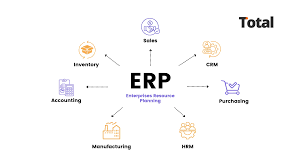
NetSuite ERP, a cloud-based software suite, provides businesses with tools that automate everyday processes such as financial management, revenue management, order management, and inventory management. By acquiring NetSuite ERP, Oracle expanded its cloud computing services and provided customers with a comprehensive suite of applications to manage their businesses efficiently.
The acquisition of NetSuite ERP by Oracle also strengthened Oracle’s position in the ERP market, allowing them to compete more effectively with other industry leaders such as SAP and Microsoft Dynamics. With NetSuite’s robust features and Oracle’s global reach and resources, businesses can now benefit from a seamless and integrated ERP solution that streamlines operations and drives business growth.
Oracle’s acquisition of NetSuite ERP also brought about several benefits for customers, including improved functionality, enhanced security, and better scalability. By leveraging Oracle’s expertise in cloud technology and NetSuite’s innovative ERP capabilities, businesses can now enjoy a more robust and agile ERP solution that meets their changing needs and requirements.
Furthermore, Oracle’s acquisition of NetSuite ERP has also paved the way for greater innovation and collaboration within the ERP industry. By combining the strengths of both companies, Oracle can now provide customers with cutting-edge ERP solutions that leverage the latest technologies and trends in the market, driving digital transformation and business success.
In conclusion, Oracle’s acquisition of NetSuite ERP has revolutionized the ERP industry by bringing together two industry leaders to deliver a powerful and comprehensive cloud-based ERP solution. With enhanced functionality, improved security, and greater scalability, businesses can now leverage Oracle’s global reach and resources to streamline their operations and drive growth. This acquisition has not only benefited customers but also paved the way for greater innovation and collaboration within the ERP industry, setting a new standard for enterprise resource planning solutions worldwide.
Key Benefits of Owning NetSuite ERP
NetSuite ERP is a powerful business management software that offers a wide range of benefits to organizations of all sizes. From streamlining operations to improving visibility and control over financial data, here are some key benefits of owning NetSuite ERP.
1. Improved Efficiency: One of the main benefits of using NetSuite ERP is the improved efficiency it brings to your business processes. With features like automated data entry, real-time reporting, and streamlined workflows, NetSuite ERP helps you eliminate manual tasks, reduce errors, and boost productivity. This allows your team to focus on more strategic tasks that drive business growth.
2. Enhanced Visibility: NetSuite ERP provides you with a comprehensive view of your business operations in real-time. With customizable dashboards and reports, you can easily track key performance metrics, monitor inventory levels, and analyze sales trends. This visibility allows you to make informed decisions quickly and adapt to changing market conditions. Additionally, NetSuite ERP integrates data from different departments, such as finance, sales, and customer service, giving you a holistic view of your organization.
3. Scalability: Another benefit of owning NetSuite ERP is its scalability. As your business grows, NetSuite ERP can easily accommodate your changing needs. Whether you need to add new users, expand into new markets, or integrate additional modules, NetSuite ERP is flexible enough to adapt to your evolving requirements. This scalability ensures that your ERP system can grow with your business and support your long-term success.
4. Cost Savings: Implementing NetSuite ERP can lead to significant cost savings for your organization. By automating manual processes, reducing errors, and improving resource utilization, NetSuite ERP helps you reduce operational costs and increase efficiency. Additionally, with a cloud-based subscription model, you can avoid upfront hardware and software expenses, as well as ongoing maintenance costs. This makes NetSuite ERP a cost-effective solution for businesses looking to optimize their financial management processes.
5. Regulatory Compliance: NetSuite ERP helps you stay compliant with industry regulations and standards. With built-in controls and audit trails, NetSuite ERP ensures that your financial data is accurate, secure, and in compliance with legal requirements. This not only reduces the risk of financial penalties and audit failures but also enhances your reputation with stakeholders and customers. By using NetSuite ERP, you can have peace of mind knowing that your business is operating within the bounds of regulatory requirements.
In conclusion, owning NetSuite ERP can provide your organization with numerous benefits, from improved efficiency and enhanced visibility to scalability, cost savings, and regulatory compliance. By leveraging the capabilities of NetSuite ERP, you can streamline your business processes, make better decisions, and drive sustainable growth in the long run.
Top Competitors to NetSuite ERP
When it comes to ERP systems, NetSuite is an established player in the market. However, it faces tough competition from several other companies that offer similar solutions. Here are some of the top competitors to NetSuite ERP:
1. SAP ERP: SAP is a well-known name in the ERP industry and offers a comprehensive suite of solutions that cater to businesses of all sizes. SAP ERP is known for its robust features and scalability, making it a popular choice for large enterprises. It offers modules for finance, human resources, supply chain management, and more, making it a versatile option for businesses looking for a complete ERP solution.
2. Oracle ERP Cloud: Oracle is another major player in the ERP market, and its ERP Cloud solution competes directly with NetSuite. Oracle ERP Cloud offers a wide range of features, including financial management, project management, procurement, and more. It is known for its flexibility and adaptability, allowing businesses to customize the solution to meet their specific needs.
3. Microsoft Dynamics 365: Microsoft Dynamics 365 is a popular choice for businesses that are already using Microsoft products such as Office 365. It integrates seamlessly with other Microsoft applications, making it a convenient option for businesses that are looking for a unified software ecosystem. Dynamics 365 offers modules for sales, marketing, customer service, and operations, making it a comprehensive solution for businesses looking to streamline their processes.
These are just a few of the top competitors to NetSuite ERP. Each of these solutions has its own strengths and weaknesses, so businesses should carefully evaluate their needs and budget before selecting an ERP system. With the right choice, businesses can improve their efficiency, streamline their processes, and ultimately drive growth and success.
NetSuite ERP Ownership and Company Success
NetSuite ERP, the cloud-based enterprise resource planning software, is owned by Oracle Corporation. Oracle purchased NetSuite in 2016 for a whopping $9.3 billion, solidifying its position in the cloud computing market. Under Oracle’s ownership, NetSuite has seen significant growth and development, with new features and enhancements being added regularly to improve user experience.
Oracle’s acquisition of NetSuite has also led to greater integration between the two companies, allowing for seamless connectivity between Oracle’s other business software solutions and NetSuite’s ERP system. This integration has expanded NetSuite’s capabilities and made it a more comprehensive ERP solution for businesses of all sizes.
Despite being owned by a larger corporation, NetSuite has maintained its reputation as a leading ERP software provider, known for its user-friendly interface, customizable features, and ability to streamline business operations. The software has consistently received high praise from users and industry experts alike, further solidifying its position in the market.
One of the key factors contributing to NetSuite’s success under Oracle’s ownership is the company’s commitment to innovation. NetSuite’s development team is constantly working on new features and improvements to keep the software up-to-date and in line with the latest industry trends. This commitment to innovation has helped NetSuite stay ahead of the competition and remain a top choice for businesses looking to streamline their operations.
The Future of NetSuite ERP Ownership
As technology continues to evolve and businesses look for more efficient ways to manage their operations, the ownership of NetSuite ERP is a topic of interest among industry observers. The future of NetSuite ERP ownership is likely to see a shift towards more cloud-based solutions, as businesses look to streamline their processes and reduce costs.
One potential future scenario for NetSuite ERP ownership is a partnership or joint venture between industry giants. This could involve companies teaming up to offer a more comprehensive suite of ERP solutions that meet the needs of a wider range of industries. By combining their resources and expertise, these companies could create a more powerful and versatile ERP platform that offers enhanced functionality and scalability.
Another possibility for the future of NetSuite ERP ownership is a move towards open-source solutions. Open-source software has gained popularity in recent years due to its flexibility and cost-effectiveness. By making NetSuite ERP open-source, businesses would have more control over the software and be able to customize it to better suit their specific requirements. This could lead to a more diverse and innovative range of ERP solutions available to businesses of all sizes.
Alternatively, the future of NetSuite ERP ownership could see the rise of new entrants into the market. As technology continues to advance and new players emerge, we may see a shift in the ownership landscape of NetSuite ERP. Smaller, more agile companies with innovative solutions could disrupt the market and challenge the dominance of established players.
One key trend that is likely to shape the future of NetSuite ERP ownership is the increasing demand for integrated solutions. As businesses look for ways to streamline their operations and improve efficiency, they are seeking ERP solutions that offer seamless integration with other software applications. The future of NetSuite ERP ownership is likely to see a greater emphasis on integration capabilities, with companies looking for solutions that can easily connect with their existing systems.
In conclusion, the future of NetSuite ERP ownership is set to be an exciting and dynamic one. With the continued evolution of technology and the changing needs of businesses, we can expect to see new ownership models emerge that offer more flexibility and innovation. Whether through partnerships, open-source solutions, or the rise of new entrants, the future of NetSuite ERP ownership is sure to bring about new opportunities and challenges for businesses looking to improve their operations.